
A public IPTV playlist can provide a practical way to organize publicly available television streams in one place. However, because IPTV technology supports many different sources, viewers should understand how playlists work before adding them to a media player. Furthermore, a playlist may contain channels from different providers, broadcasters, websites, or community projects, so its quality can vary considerably. Therefore, learning how to identify reliable sources, compatible formats, and legitimate content can make IPTV viewing more convenient.
Moreover, Moreover, readers who want to learn more about IPTV services can visit TV Area 51 IPTV service to discover additional information about IPTV options, supported features, and available plans.
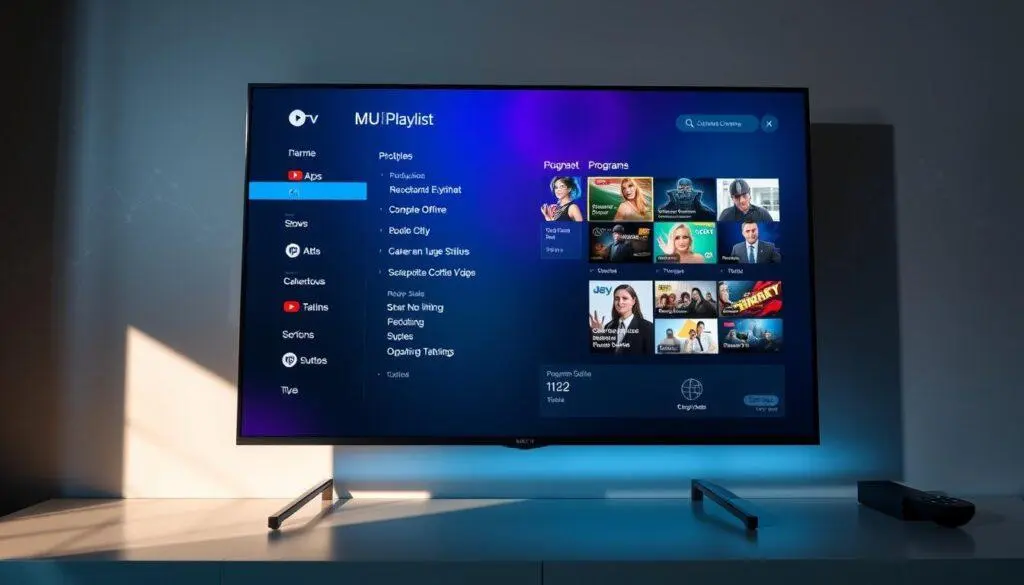
An IPTV playlist does not normally represent a television service by itself. Instead, it is commonly a structured file or link containing information that a compatible IPTV application can read. Consequently, viewers can use suitable software to display channels, program information, and other available stream details. Meanwhile, public playlists may change frequently because individual streams can move, become unavailable, or be replaced.
What Is a Public IPTV Playlist and How Does It Work?
First, a public IPTV playlist is generally a collection of television or video stream addresses that can be opened by compatible IPTV software. Usually, these playlists use formats such as M3U or M3U8, although other formats may also appear. Therefore, the playlist acts more like an organized directory than a television subscription.
Additionally, an M3U playlist can contain channel names, stream addresses, group information, logos, and electronic program guide references. As a result, an IPTV application can use that information to create a channel list that viewers can browse.
Furthermore, the basic process is relatively simple:
- First, the viewer obtains a legitimate public IPTV playlist.
- Next, the playlist is added to compatible IPTV software.
- Then, the application reads the available channel information.
- Afterward, the viewer selects a channel from the displayed list.
- Finally, the application attempts to load the corresponding stream.
However, the actual viewing experience depends on several factors. For example, the stream source must remain available, while the viewer’s internet connection must provide enough bandwidth for the selected video quality.
Why Use a Public IPTV Playlist?
First, a public IPTV playlist can be useful for viewers who want to organize openly available television streams without creating a separate channel list manually. Moreover, playlists can save time because multiple streams may already be grouped inside one file or URL.
Additionally, public IPTV resources can be useful for testing IPTV applications. For instance, someone developing or configuring an IPTV player can use legitimate public streams to check whether channel loading, categories, logos, and playback functions work correctly.
Likewise, a public IPTV playlist can support access to publicly distributed channels from different regions. Consequently, viewers interested in international news, educational programming, cultural content, or public broadcasting may find playlists useful.
Nevertheless, availability should never be confused with authorization. Just because a playlist appears online does not automatically mean every channel inside it is legally available for redistribution. Therefore, users should favor sources that clearly indicate permission, licensing, or public distribution status.
Understanding M3U and M3U8 Formats
First, the M3U format remains one of the most recognizable formats associated with IPTV playlists. Essentially, an M3U file contains a sequence of media entries that software can interpret.
For example, a simplified playlist may contain a channel name followed by a stream address. Consequently, compatible software can read the entry and present the channel to the viewer.
Moreover, M3U8 is closely related to M3U but commonly uses UTF-8 encoding. Therefore, M3U8 files can be particularly useful when channel names or metadata contain characters from different languages.
Additionally, playlist entries may contain information such as:
- First, the channel display name identifies the stream.
- Next, the group category helps organize channels.
- Then, the logo address can provide channel artwork.
- Afterward, the stream address identifies the media source.
- Finally, EPG information can connect channels with program schedules.
However, not every public IPTV playlist contains all these elements. Instead, some lists may include only channel names and stream addresses. Consequently, the visual experience can differ substantially between two playlists even when both use the same basic format.
How to Find Reliable Public IPTV Sources
First, viewers should focus on sources that clearly describe where their streams originate. Furthermore, reputable public projects generally provide information about their purpose, supported channels, and update practices.
Additionally, users can evaluate a public IPTV playlist by checking whether its source explains how channels are collected. For example, a playlist maintained for public broadcasters may provide clearer information than an anonymous list containing hundreds of unexplained streams.
Moreover, users should examine the update history when available. Therefore, an actively maintained project may provide a better experience than an abandoned playlist containing outdated addresses.
Useful indicators include:
- First, a clear description of the playlist’s purpose.
- Next, identifiable information about the source.
- Then, transparent information about channel availability.
- Also, regular maintenance or visible update activity.
- Finally, clear indications about whether streams are publicly distributed.
However, a large channel count should not automatically be considered a sign of quality. In fact, a smaller public IPTV playlist containing stable and authorized channels can be more useful than a huge list filled with inactive entries.
How to Check an IPTV Playlist Before Using It
First, users should inspect the source before adding a public IPTV playlist to an application. This step can help identify broken links, unsupported formats, and questionable content.
Furthermore, testing an IPTV service before choosing a longer plan can help viewers assess channel availability, playback quality, and device compatibility. Therefore, readers interested in testing a service can check the 1-day IPTV free trial before making a longer-term decision.
Additionally, users can test a small number of channels rather than attempting to evaluate hundreds at once. Consequently, they can quickly determine whether the playlist works with their chosen software.
A basic review can include:
- First, checking whether the playlist opens in a text editor.
- Next, confirming that stream entries contain recognizable addresses.
- Then, testing several channels from different categories.
- Afterward, checking whether channel names match the actual streams.
- Finally, removing entries that consistently fail.
Moreover, viewers should avoid downloading unknown executable files merely because they are associated with an IPTV playlist. Instead, a playlist should normally be treated as media-list information rather than as software that requires installation.
Choosing the Right IPTV Player
First, compatibility matters when selecting software for a public IPTV playlist. Different IPTV applications support different playlist formats, electronic program guides, playback technologies, and operating systems.
Additionally, viewers should consider the device they intend to use. For example, an IPTV player designed for a smart television may provide a different interface from software intended for Windows, macOS, Android, or iOS.
Furthermore, users should consider practical features such as:
- First, support for M3U and M3U8 playlists.
- Next, channel grouping and search.
- Then, electronic program guide support.
- Also, favorites and recently watched channels.
- Finally, playback controls and subtitle support where available.
However, advanced features are not always necessary. Therefore, viewers who only want to watch a few public channels may prefer a simple player with straightforward playlist support.
How to Add an M3U Playlist to Your IPTV App
First, the exact procedure depends on the IPTV application being used. Nevertheless, many compatible applications provide an option to add a playlist through a file or URL.
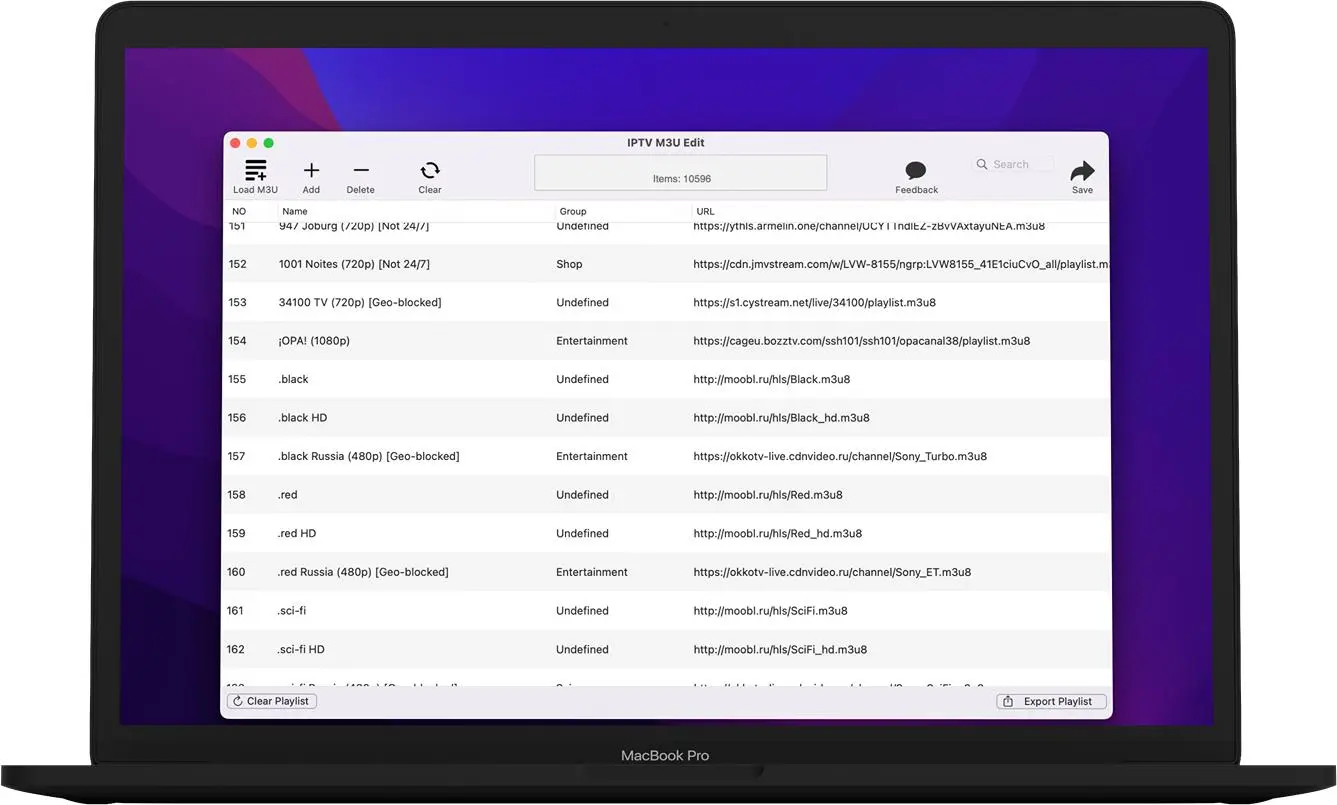
For a local playlist, users typically select the option for importing a file. Then, they choose the M3U or M3U8 document stored on their device. Afterward, the application processes the entries and creates the available channel list.
Alternatively, a remote public IPTV playlist may be added through a playlist URL when the application supports remote sources. Consequently, the software can retrieve the playlist from its published location.
However, remote playlists can change without notice. Therefore, a channel that works today may stop working later if its source is removed or modified.
Device Compatibility and Viewing Options
First, device compatibility can strongly influence the viewing experience. For example, a playlist that works properly on a computer may behave differently on a television or streaming device.
Moreover, processing power, operating systems, network hardware, and application support can vary between devices. Consequently, users should select IPTV software designed for their particular platform.
A public IPTV playlist may be used on devices such as:
- First, desktop and laptop computers.
- Next, compatible smart televisions.
- Then, Android-based streaming devices.
- Also, supported mobile phones and tablets.
- Finally, other media players that accept M3U-compatible sources.
Furthermore, users should keep their software reasonably current because older applications may have compatibility limitations. However, installing unofficial software from unknown websites can create unnecessary security concerns.
Internet Speed and Streaming Quality
First, a stable internet connection plays an important role when watching a public IPTV playlist. Although playlist files themselves are usually small, the associated video streams can require substantial bandwidth.
Additionally, viewers in Canada who are interested in high-quality IPTV streaming can learn more about connection requirements, device compatibility, and playback performance in our guide to the best buffer-free 4K IPTV subscription in Canada. Consequently, this resource can help readers better understand the factors that can affect 4K streaming quality.
Furthermore, connection stability matters alongside download speed. For instance, a connection with short interruptions can cause playback problems even when its advertised speed appears sufficient.
Users can reduce common problems by:
- First, using a stable network connection.
- Next, positioning wireless devices within a suitable range of the router.
- Then, closing unnecessary high-bandwidth applications.
- Afterward, selecting a video quality appropriate for the connection.
- Finally, testing another legitimate stream when one source repeatedly fails.
However, buffering is not always caused by the viewer’s connection. Instead, the source server may be overloaded, distant, unavailable, or experiencing technical problems.
Why IPTV Streams Stop Working
First, public IPTV streams can become unavailable for many reasons. For example, a broadcaster may change its stream address, remove an online stream, or modify its distribution system.
Additionally, network infrastructure can change over time. Consequently, a playlist that was accurate several months ago may contain outdated addresses.
Other possible causes include:
- First, the original stream has been discontinued.
- Next, the broadcaster has changed its URL.
- Then, the source has introduced access restrictions.
- Also, the server may be temporarily unavailable.
- Finally, the playlist itself may no longer be maintained.
Therefore, users should not assume that every failed channel represents a problem with their IPTV application. Instead, testing another known legitimate channel can help identify whether the issue is local or source-related.
Ways to Improve IPTV Playback
First, viewers can take several practical steps to improve playback when using a public IPTV playlist. For example, selecting a stable network connection can reduce interruptions caused by weak wireless signals.
Moreover, choosing an appropriate stream quality can make a noticeable difference. Therefore, users with modest internet connections may benefit from standard-definition channels when high-definition playback repeatedly buffers.
Additionally, closing applications that consume significant network bandwidth can help. For instance, large downloads, cloud synchronization, and other video streams can compete for the same connection.
Furthermore, users should test several channels rather than assuming the entire playlist is defective. If one channel fails while others play normally, the problem may exist with that particular stream.
Understanding Electronic Program Guides
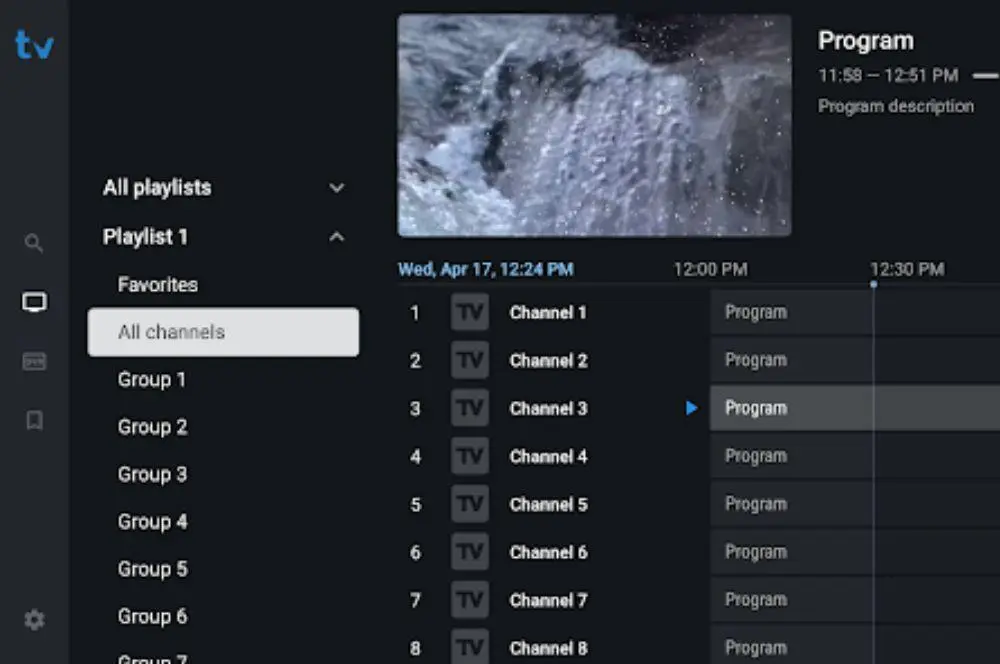
First, an electronic program guide can make a public IPTV playlist easier to browse. Instead of seeing only channel names, viewers may see current and upcoming program information when compatible EPG data is available.
Moreover, EPG information can improve channel organization because users can identify programs without opening every stream individually.
However, EPG data depends on a separate source in many IPTV systems. Therefore, channel schedules can become outdated when the guide source and playlist do not remain synchronized.
Additionally, not every public stream provides EPG information. Consequently, a perfectly functional playlist may still display limited program details.
Organizing Channels for Easier Viewing
First, channel organization can make large playlists much easier to use. For example, grouping channels according to country, language, genre, or broadcaster can reduce the time needed to find a particular stream.
Moreover, users can create favorites when their IPTV application supports that feature. Consequently, frequently watched public channels can remain easy to access without repeatedly searching the complete playlist.
Useful categories may include:
- First, news channels.
- Next, educational channels.
- Then, cultural programming.
- Also, public broadcasting channels.
- Finally, regional or international channels.
However, organization should reflect the actual content of the playlist. Therefore, users should avoid assigning misleading categories merely to make the list appear larger or more impressive.
Security Tips for Public IPTV Sources
First, users should treat unknown IPTV resources cautiously. Although an M3U playlist is generally a text-based media list, websites offering playlists may also advertise unrelated software, downloads, or services.
Additionally, users should avoid installing applications simply because a website claims they are necessary to open a public IPTV playlist. Instead, established IPTV software can usually handle common playlist formats without requiring questionable additional programs.
Furthermore, users should keep their operating system and media applications updated. Consequently, they can benefit from current security fixes and compatibility improvements.
Users should also avoid entering sensitive information into unknown IPTV websites. For example, a basic public playlist normally should not require banking credentials or unrelated personal information simply to display publicly available streams.
Legal Considerations for Online TV Streams
First, legality depends on the content, source, and distribution rights associated with the streams inside a public IPTV playlist. A playlist format itself does not determine whether particular content is authorized.
Moreover, some broadcasters intentionally publish streams for public viewing. Therefore, accessing those streams through compatible software can be consistent with the broadcaster’s distribution model.
However, other playlists may include channels without clear permission. Consequently, users should check the source and its stated rights before relying on such material.
A sensible approach is to:
- First, favor officially published streams.
- Next, use recognized public broadcasting sources.
- Then, review the publisher’s usage information.
- Also, avoid playlists advertising unauthorized premium channels.
- Finally, follow the laws applicable in the viewer’s location.
How to Maintain an IPTV Playlist
First, maintaining a public IPTV playlist requires occasional checking because stream addresses can change. Furthermore, even a legitimate playlist can accumulate outdated entries over time.
Additionally, users who maintain their own list can periodically test channels and remove entries that no longer work. Consequently, the playlist can remain easier to manage.
A simple maintenance routine can involve:
- First, checking inactive channels.
- Next, verifying important stream addresses.
- Then, removing duplicate entries.
- Afterward, updating outdated metadata.
- Finally, recording the date of the latest review.
However, maintenance should not involve copying private streams or redistributing content without permission. Instead, users should work only with sources that permit the intended use.
Common Mistakes When Using Free IPTV Lists
First, one common mistake is assuming that every online playlist is trustworthy. Although many public resources can be useful, others may contain outdated, misleading, or unauthorized material.
Second, users sometimes judge a playlist only by its channel count. However, a list with thousands of entries can be less useful than a smaller collection of stable public streams.
Third, some viewers blame their IPTV application whenever playback fails. Instead, the stream itself may be offline or experiencing server-side problems.
Fourth, users may ignore device compatibility. Therefore, they should check whether their chosen application supports the required playlist format and playback method.
Finally, some users repeatedly search for replacement links without checking the original publisher. Consequently, they may miss the most reliable source of updated information.
Comparing Different IPTV Playlist Sources
First, comparing two public IPTV playlist sources can help viewers select the more practical option. Rather than focusing only on channel quantity, users should consider reliability, transparency, organization, and compatibility.
A useful comparison can include:
| Factor | Playlist A | Playlist B |
|---|---|---|
| Channel organization | Check categories | Check categories |
| Update activity | Review recent changes | Review recent changes |
| Format | M3U/M3U8 | M3U/M3U8 |
| Public source information | Check publisher | Check publisher |
| EPG availability | Check support | Check support |
| Playback stability | Test several streams | Test several streams |
Moreover, viewers who are considering a longer-term IPTV option can review the 1-year IPTV subscription to learn more about its available features, viewing options, and subscription period. Therefore, comparing the plan with other IPTV options can help readers choose an option that fits their viewing requirements.
Finding International TV Channels Online
First, a public IPTV playlist can be particularly useful for viewers interested in international programming. Public broadcasters in different regions may publish online streams that can be organized into compatible playlists.
Moreover, international playlists can help users discover news, cultural programming, educational material, and regional broadcasts. Therefore, they may serve viewers who regularly follow content from several countries.
However, geographic restrictions can apply to certain streams. Consequently, a channel may work in one location but remain unavailable elsewhere.
Additionally, language and EPG compatibility can affect usability. Therefore, viewers should consider whether their IPTV application correctly displays the characters and metadata used by international channels.
Using IPTV Playlists for Testing
First, developers and technically minded users can use a public IPTV playlist to test IPTV software with legitimate streams. For example, a developer may need to verify whether an application correctly imports M3U data and displays channel metadata.
Furthermore, testing can involve several playback conditions. Consequently, developers can identify problems involving channel switching, metadata parsing, EPG integration, or stream handling.
A testing playlist can include:
- First, standard-definition streams.
- Next, high-definition public streams.
- Then, channels from different categories.
- Also, entries with different metadata fields.
- Finally, streams using different supported formats.
However, test material should come from sources that permit public access and the intended technical use. Therefore, developers should avoid building tests around unauthorized premium content.
What to Expect From IPTV Playlists in 2026
First, IPTV playlist technology is likely to remain useful as internet-based broadcasting continues to develop. Moreover, public broadcasters and media organizations increasingly provide online access through their own digital platforms.
Additionally, IPTV applications are becoming available across more types of connected devices. Consequently, viewers may have more options for organizing legitimate online streams.
However, playlist technology will continue to depend on the underlying stream sources. Therefore, changes in broadcasting infrastructure, access policies, authentication systems, and content distribution can affect how playlists function.
Furthermore, users may see greater integration between playlists, program guides, metadata, and device-specific interfaces. As a result, the role of the traditional playlist may gradually become part of a broader streaming ecosystem.
Final Thoughts on Choosing a Reliable IPTV Playlist
First, a public IPTV playlist can be a useful tool for organizing legitimate online television streams in a convenient format. Moreover, understanding M3U and M3U8 structures can help users select compatible software and diagnose common playback problems.
Additionally, viewers should judge playlists according to source transparency, channel stability, compatibility, maintenance, and legal availability rather than channel count alone. Therefore, a carefully selected public playlist can provide a more practical viewing experience.
Furthermore, users should remember that playlist availability can change. Consequently, maintaining realistic expectations is important when working with publicly distributed streams.
Finally, the best approach is to use public IPTV playlists that come from identifiable and authorized sources, pair them with reputable compatible software, and review the playlist periodically. By following these principles, viewers can organize publicly available IPTV content responsibly while reducing many of the technical problems commonly associated with outdated or unreliable playlist sources.
Public IPTV Playlist FAQs
What is a public IPTV playlist?
A public IPTV playlist is a file or URL containing links to publicly available TV streams. Usually, these playlists use M3U or M3U8 formats and can be opened with compatible IPTV players.
Is a public IPTV playlist free?
Generally, a public IPTV playlist can be free when it contains legitimately published streams. However, availability and channel access can vary depending on the original broadcaster or playlist provider.
How do I use a public IPTV playlist?
First, obtain a legitimate public IPTV playlist. Then, add the M3U or M3U8 file or URL to an IPTV application that supports the format. Afterward, compatible channels should appear in the application.
Can I use a public IPTV playlist on a Smart TV?
Yes, a public IPTV playlist can work on many Smart TVs when the installed IPTV application supports M3U or M3U8 playlists. However, compatibility depends on the television model and application.
Why does my public IPTV playlist stop working?
A public IPTV playlist may stop working because a stream address changed, the broadcaster removed the stream, or the playlist is no longer maintained. Therefore, checking the original source for updates can help.
Is using a public IPTV playlist legal?
A public IPTV playlist can be legal when it contains streams that the broadcaster or rights holder has authorized for public distribution. However, users should verify the source and applicable laws before accessing or redistributing content.